5 Subtle Signs Your Dog Is Uncomfortable With Hugs That Many Owners OverlookBeth
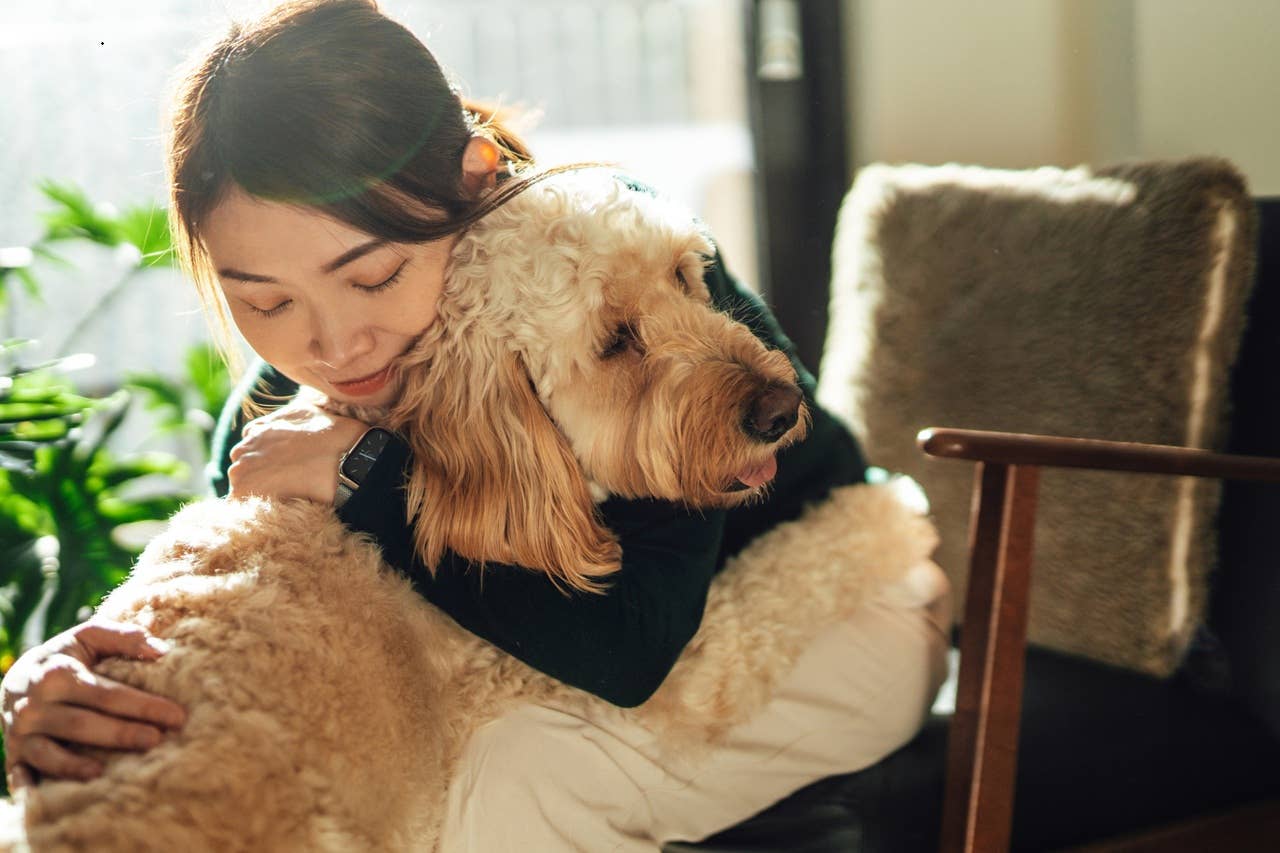
Every family or friend group seems to have a designated “hugger.” You know, that person who meets someone for the first time and says, “I’m a hugger,” instead of shaking their hand. Maybe you are that person. While most people are fine with getting that extra affection from you, do dogs like hugs? Of course, you want to hug them and feel their soft, snuggly fur against you like a warm blanket when you see then, so you want to make sure they are alright with it.
That’s why it’s important to understand the signs that your dog may be stressed if you hug them and have your arms wrapped around them. After all, people often don’t think a dog is mad or scared unless they’re growling, biting or running away, but our pets often send us way earlier smoke signals that they are unhappy in certain situations. By paying attention to a dog’s body language you can decode what they are communicating.
“When we ignore these signals and continue to push past our dogs’ boundaries, it might result in them losing trust and security in the relationship,” says Annie-Mae Levy, CFBA, professional dog trainer at Woofz by nove8. “For this reason, it is key that we learn how to recognize their body language cues.”
To help, Levy shared the most common signs your dog doesn’t like being hugged that are easy to miss and what to do instead when you want to show your dog love and affection.
Related: 6 Signs Your Dog Feels Safe, Secure and Happy With You, According to Professional Trainers
5 Signs Your Dog Is Uncomfortable With Being Hugged
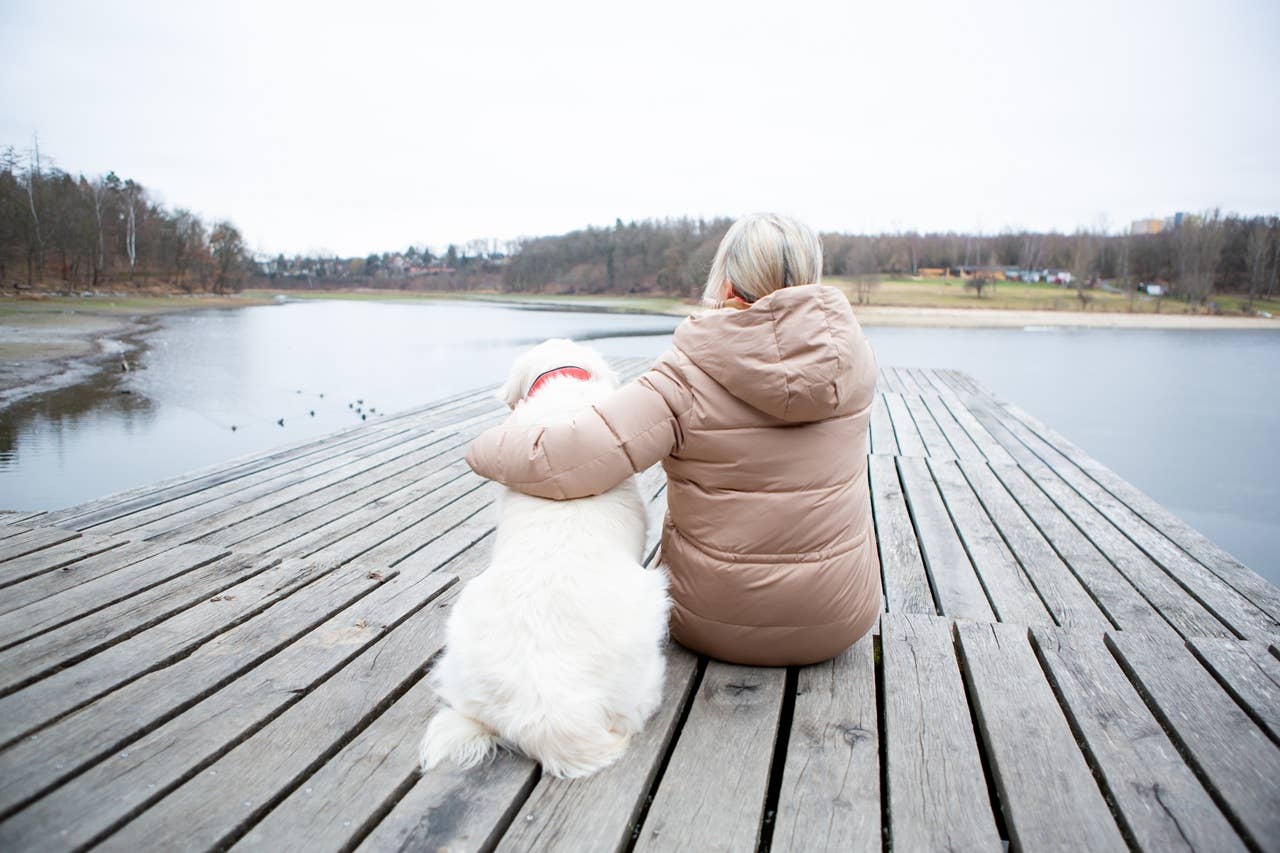
A dog being hugged with one arm.Getty Images Coolpicture
Body language can be hard to read, but decoding it can help you learn when your dog is uncomfortable with hugs. Levy shared some easy-to-miss signs your dog doesn’t like hugs.
1. They turn their head away
A dog turning away during a hug might seem like a harmless movement, but it could be their subtle way of asking for space. Levy says dogs try to “lower the temperature” in a tense situation by slowly turning their head to one side and avoiding eye contact.
“This movement will look a bit stiff, and the rest of the dog’s body will have some tension to it,” Levy states. “If the dog is simply swinging their head around and has otherwise a loose, relaxed posture, then turning the head away in this context is not a sign that they’re uncomfortable at all.”
2. They have a stiff-as-a-board body
A hug should leave your dog feeling relaxed, not frozen in place. If your pup suddenly goes stiff in your arms, it could be one of the clearest signs that they’re uncomfortable with the affection. Levy explains that relaxed dogs combine a slow, “almost lazy-looking tail movement” with a loosey-goosey posture.
“Dogs that are feeling uncomfortable will show the opposite and stiffen up to try to communicate that they are not happy,” Levy says.
3. Their ears are flat
What’s a sign your dog is stressed when you hug them? Look for clues in their body language. In fact, a dog’s ears may give away if they don’t like affection from someone.
Dogs like German Shepherds and Shiba Inus, pin their ears further back on their heads when they’re uncomfortable. It’s a way to let other animals (including humans) know, “I need more space.” Hugs do not give a dog space.
4. Licking their lips or nose
That quick tongue flick might look harmless, but it could be your dog’s way of saying they’re not entirely comfortable. If your pup starts licking their lips or nose during a hug, Levy says it may be a sign of anxiety. She recommends that pet parents pay attention to what’s happening and help their dogs relax by easing up on whatever is causing stress.
5. Whale eye
One of the more subtle signs your dog may be uncomfortable with hugs is what’s known as “whale eye.” This dog body language cue happens when your pup turns their head away but keeps their eyes fixed on you, exposing the whites of their eyes. Levy explains that the “whale’s eye” describes when you can see the whites of a dog’s eyes.
“This is usually accompanied by big, round eyes as opposed to the more relaxed, almond-shaped eyes you might be accustomed to seeing,” Levy explains. “Seeing the whites of your dog’s eyes a lot more than usual can definitely indicate that they are feeling scared and avoidant.
Why Dogs Don’t Like Hugs
Many dogs don’t enjoy hugs, so don’t take it personally. Why do some dogs dislike being hugged in the first place? Trainers like Levy explain that dogs are naturally born and built to run. When you hug a dog, they can feel trapped and anxious because they can’t get away. In dog language, putting a paw or limb over another’s back shows dominance, not affection, so a hug can feel threatening.
Plus, hugs bring your face close to theirs and involve direct eye contact, which dogs might see as confrontational.
Related: 6 Subtle Signs Your Dog Is Happy You’re Their Person, According to a Trainer
What to Do Instead of Hugging Your Dog to Show Affection
How can you show love to a dog who doesn’t like hugs? The good news: You have many options. Levy shared some of the best ways to show your dog you love them.
Take them on a different walking route than usual. Since dogs love to explore, Levy reports that switching up your usual walk with a new route or location gives them fresh scents and new places to check out.
Teach them something new. You knew a professional trainer would add this one, right? Levy explains that dogs of all ages enjoy learning, and even a simple trick like ‘twist’ keeps them engaged and happy. It shows you care and is fun.
Learn about their breed. Levy points out that we’ve bred selected dogs for centuries to perform certain traits, so your pet likely has some “exaggerated traits, such as a love of sniffing, herding or pulling things.” She suggests learning more about what your dog was bred to do and using that to add fulfillment to their week, like a hike for hound dogs.
A vet check. Your dog might not like it, but Levy insists that regular vet checks are one of the best ways to show your dog, “I love you.” “Dogs are very good at hiding pain and often still run around happily despite dealing with chronic pain such as arthritis or dental issues,” Levy says. “Check for these signs often, especially in dogs older than 5 years.”
How to Show Your Dog Love in Ways They Understand
Levy says that a quick consent test is a great way to determine whether your dog likes the form of affection you’re showing them.
“Simply stop what you’re doing for 3 seconds and see whether your dog moves toward you for more or disengages. The former means that they were enjoying the affection,” Levy says.
Loose, relaxed (read: not tense) body language is a good sign that you can keep giving your dog all pets, cuddles and playtime.
“If they try to move away or turn their head, it’s a good idea to give them some space,” Levy says.
Source:
Annie-Mae Levy, CFBA, professional dog trainer at Woofz by nove8
This story was originally published by Parade Pets on Nov 12, 2026, where it first appeared in the Dogs section. Add Parade Pets as a Preferred Source by clicking here.
Source: Nature



0 Comments