How To Keep Squirrels Out Of Your Attic This Winter Before They Cause Expensive Damage
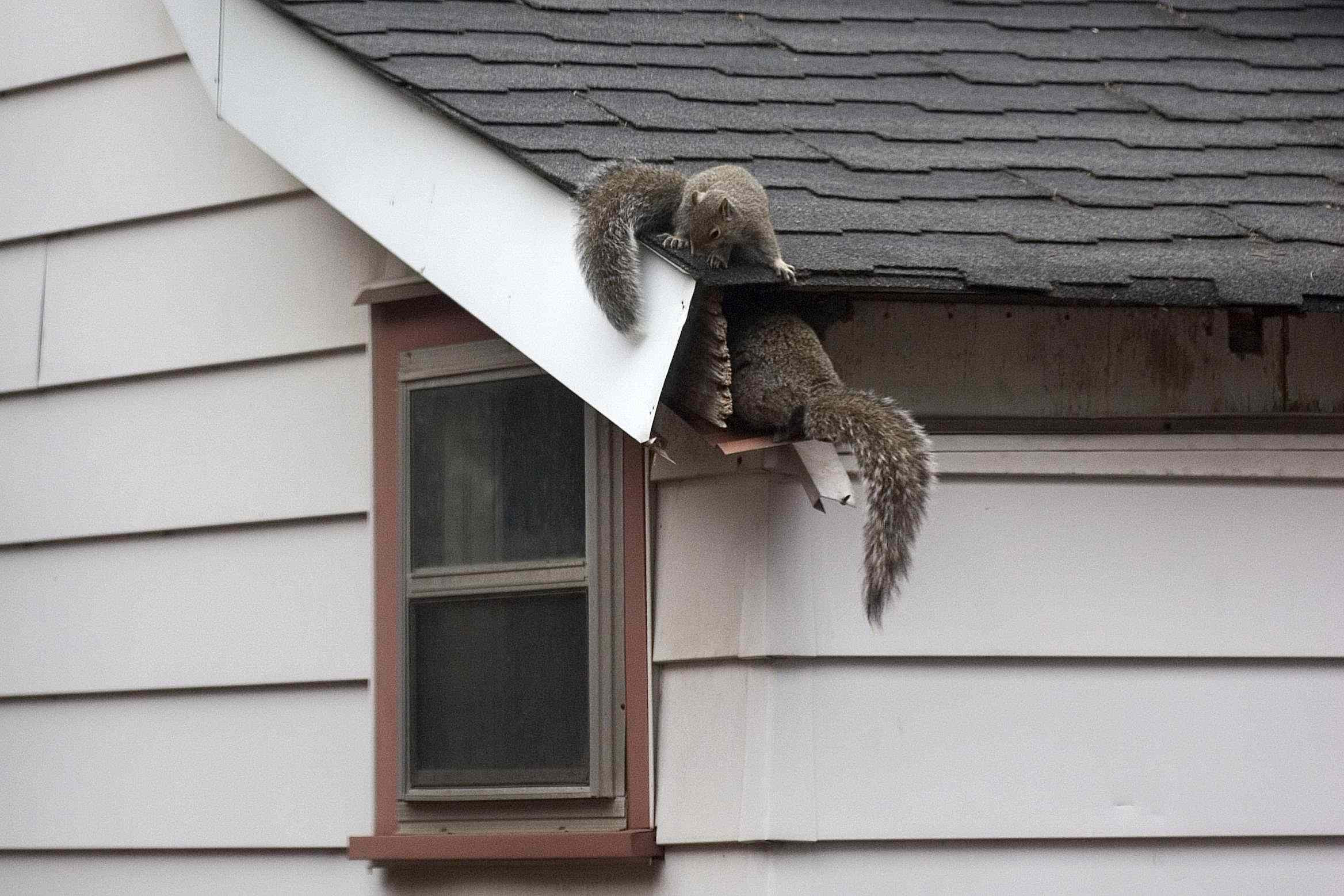
As temperatures dip and seasons change from fall to winter, squirrels aren’t just busy gathering acorns and burying nuts for later. They’re also looking for a warm, sheltered place to spend the colder months, and unfortunately, your attic might look like the perfect winter retreat.
An accessible attic offers protection from harsh weather and predators, making it an appealing nesting spot for squirrels. Once inside, however, these furry visitors can cause significant damage by chewing through insulation, wood, and electrical wiring. Fortunately, a little preventive maintenance can help keep your home off their list of potential winter accommodations.
Understand Why Squirrels Are Attracted To Attics
To prevent an unwanted squirrel situation, it helps to understand what makes your attic so appealing. Tree squirrels stay active throughout winter, even when colder temperatures drive them to seek more protected places to rest. Unlike some animals, they don’t truly hibernate, meaning they still need shelter and access to food during the colder months.
Attics offer many of the things squirrels look for: warmth, protection from predators, and quiet spaces where they can build nests. They may also use these spaces to raise their young. Squirrels are opportunistic animals that can take advantage of even small openings around a home’s exterior.
Inspect Your Roof And Seal Potential Entry Points
One of the most effective ways to keep squirrels out of your attic is to make sure they can’t get inside in the first place. Start by inspecting your roof and the areas where different building materials meet. Pay particular attention to roof vents with damaged or missing screens, loose soffits, rotting fascia boards, and gaps where shingles meet gutters. Chimneys should have properly installed, wildlife-resistant caps, and gable vents should have sturdy, properly fitted screening. Even small openings can invite a determined squirrel.
Remember, squirrels are excellent climbers and can chew through certain building materials to enlarge an opening. Seal exterior openings with durable, wildlife-resistant materials, such as appropriately installed metal flashing or hardware cloth. Avoid relying on expanding foam or plastic screening alone, since squirrels can chew through these materials.
Trim Tree Branches Away From Your Roof
Those beautiful mature trees around your home may provide welcome shade in summer, but branches that hang close to your roof can also serve as convenient squirrel highways. Squirrels are agile climbers and can use overhanging limbs to reach rooflines, gutters, and attic vents. Trimming branches away from the house can make it harder for them to reach potential entry points.
Inspect trees near your home, paying particular attention to branches that touch the roof or extend directly over it. Maintain several feet of clearance between tree limbs and the roof, with about six to eight feet often suggested when the property allows. Don’t forget to look at nearby fences, sheds, and other structures that might give squirrels an easy route onto the roof.
Keep Food Sources Away From Your House
Squirrels are naturally attracted to places where food is easy to find. You don’t have to eliminate every acorn or pecan from your yard, but reducing convenient food sources near your home can make your property less appealing. Start by securing outdoor trash cans with tight-fitting lids and cleaning up fallen fruit, nuts, and birdseed around feeding stations. If you enjoy keeping bird feeders, consider using squirrel-resistant models and placing them away from the house and structures that provide climbing access. Avoid leaving pet food outside overnight, and make sure compost bins are properly secured.
Watch For Early Signs Of Squirrels In The Attic
Sometimes, despite your best preventive efforts, a squirrel finds its way inside. Catching the problem early can help limit the damage. One of the most recognizable warning signs is scratching, scurrying, or rolling sounds coming from the ceiling or attic. Squirrels are generally most active during daylight hours, so morning and afternoon noises may signal an unexpected visitor.
You may also notice small, dark droppings around attic spaces or suspected entry points. Chewed insulation, wood, wiring, and stored belongings can indicate that squirrels have been exploring the space. Shredded insulation, leaves, and other debris may suggest that an animal is building a nest. Outside, fresh chew marks around rooflines, vents, and soffits can signal an attempted entry.
Don’t Try To Seal An Occupied Attic
If you suspect squirrels have already moved in, resist the urge to close every opening you find immediately. Although sealing gaps is an important preventive step, doing so while animals are still inside can trap them in the attic. This can create additional problems, particularly if a mother squirrel has a nest of young tucked away inside.
Trapped animals may become more destructive as they try to escape, and separating a mother from her babies can create an even more complicated removal situation. Instead, contact a qualified wildlife removal professional who can determine how many animals are present, identify their entry points, and develop a humane removal and exclusion plan.
Clean And Repair The Attic After Squirrels Leave
Getting squirrels out is only part of the job. If animals have been nesting in your attic, you’ll also want to address any damage they’ve left behind. Have the area inspected for contaminated insulation, droppings, nesting debris, and chewed electrical wiring. A qualified electrician should evaluate damaged wiring, while heavily soiled insulation may need professional removal and replacement.
Make Attic Prevention Part Of Your Fall Home Maintenance
Keeping squirrels out of your attic isn’t necessarily complicated, but it does require a little attention before colder weather settles in. Inspecting rooflines, trimming overhanging branches, securing outdoor food sources, and repairing damaged vents can all help discourage unwanted visitors. Make these checks part of your regular fall home maintenance routine, especially if you live in a wooded area or have mature trees surrounding your property. A few preventive repairs now can help you avoid an expensive wildlife problem later.
on Southern Living
Source: Nature



0 Comments