This Haunted Missouri Road Has Kept Locals Away After Dark for Years
(Trent Jonas)
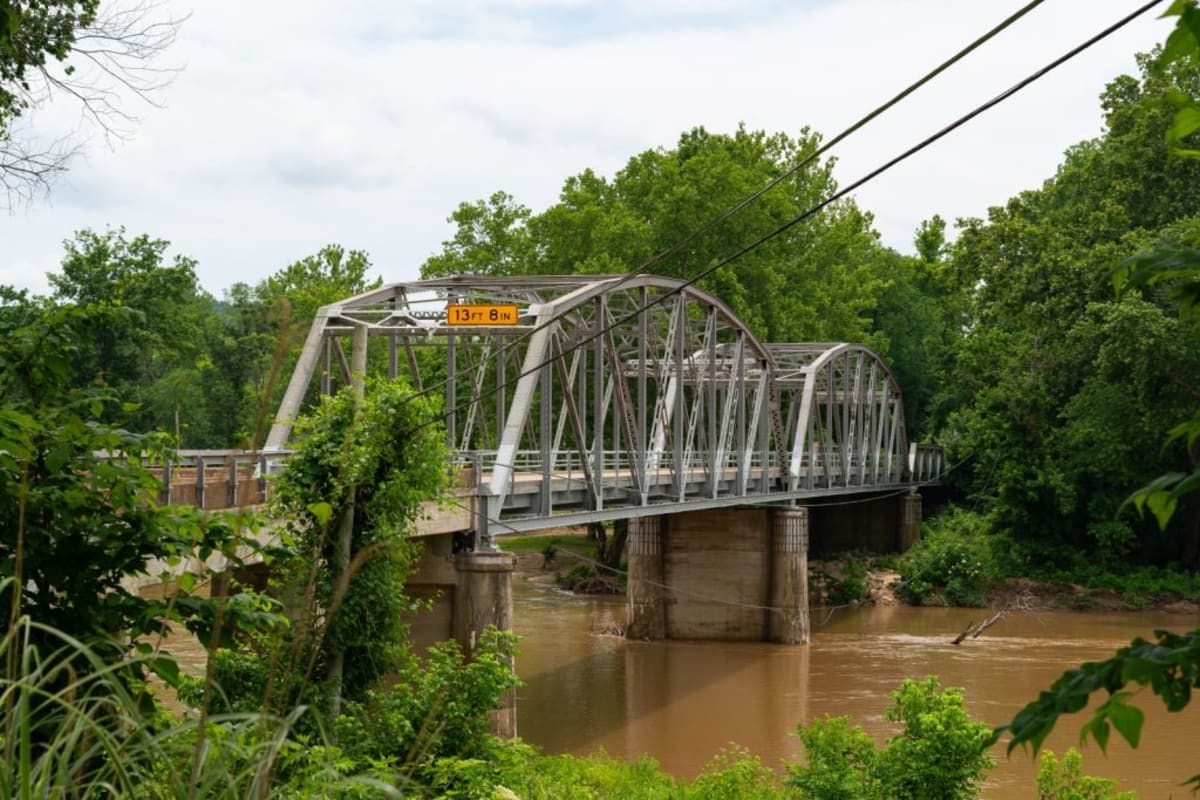
Devil’s Elbow in Missouri is a 2-mile loop along Route 66’s old alignment through the Ozarks where, according to local legend, the ghosts of drowned 19th-century lumbermen and vanishing cars appear in the mist that rises off the Big Piney River. During the day, the area is popular with paddlers, anglers, and Mother Road enthusiasts driving the stretch or taking photos of the old bridge, but at night, many motorists avoid the road altogether.
Where Is Devil’s Elbow, Missouri’s Most Talked-About Haunted Road?
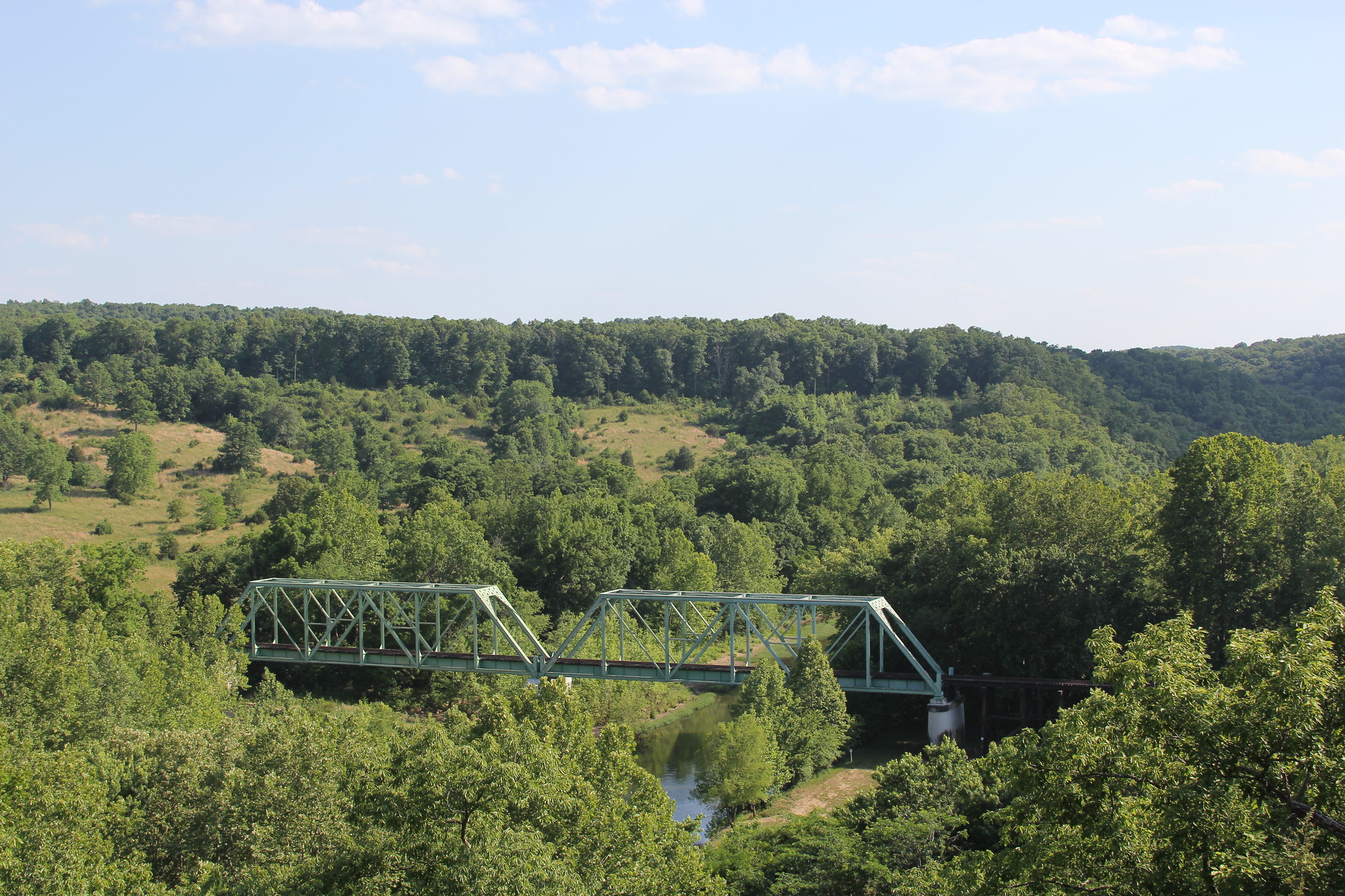
Photo by Matt Topper via Flickr Creative Commons
Like other haunted roads across the country, Devil’s Elbow has collected its share of ghost stories over the decades, in no small part to its remote river valley location in eastern Pulaski County, near Saint Robert, where Highway Z descends into the Big Piney River valley and meets Teardrop Road. The latter traces a section of the old, 1926 two-lane alignment of Route 66 for a couple of miles, and crosses the river at the Devil’s Elbow Bridge before ascending the valley and joining with Highway V.
The Legend of Devil’s Elbow: What Locals Say Happens After Dark
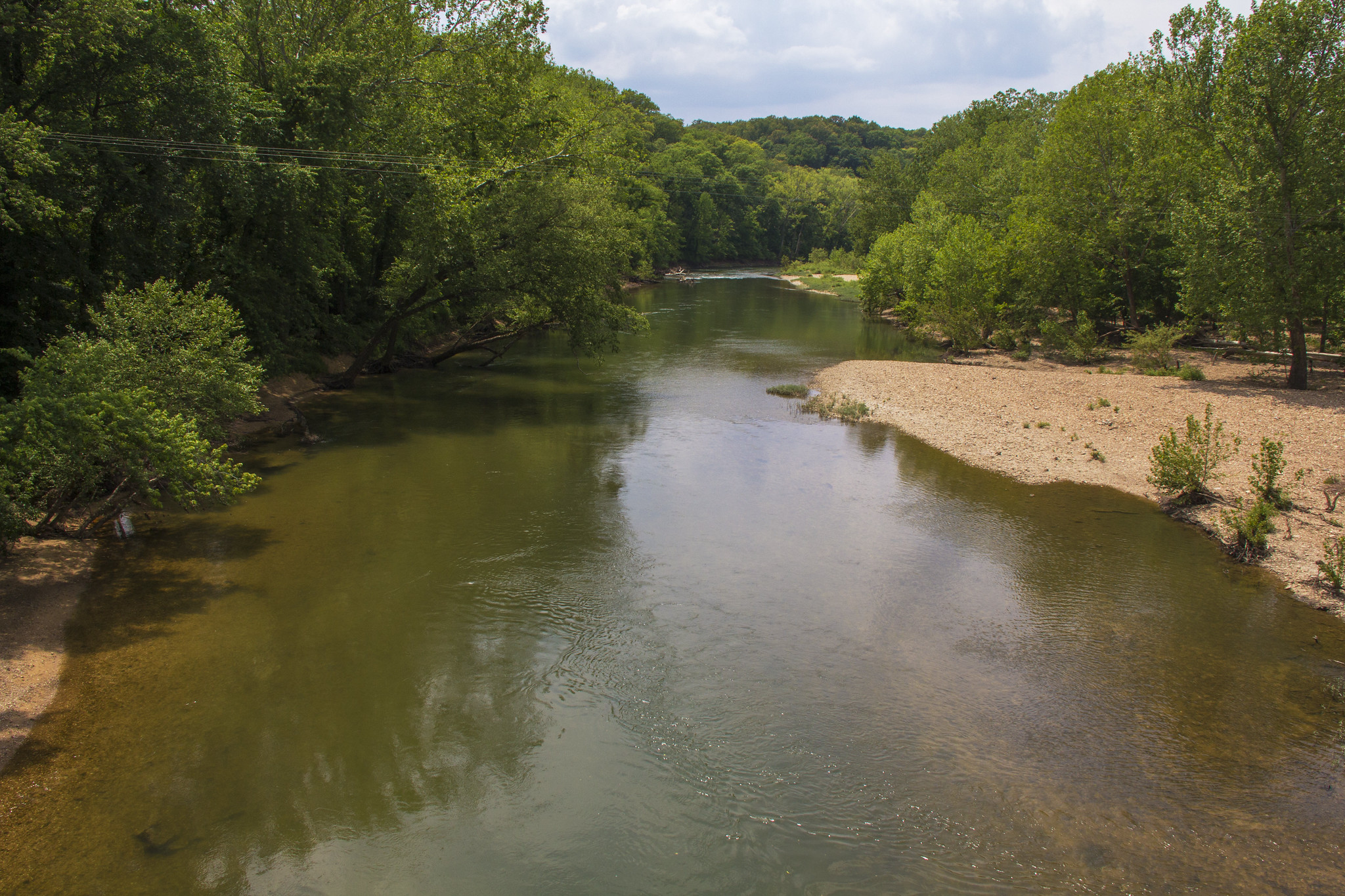
Photo by Daniel Maxwell via Flickr Creative Commons
You’ll find haunted places in every state, and the Devil’s Elbow hauntings fall into two categories: one tied to the river and the other to the road. According to folklore, folks standing near the gravel bars in the river after dark hear disembodied voices yelling and moaning over the current and through the woods, logs slamming into the limestone bluffs, and boots walking the bridge deck when the span is empty. Some have even reported seeing ghostly heads bobbing on the water.
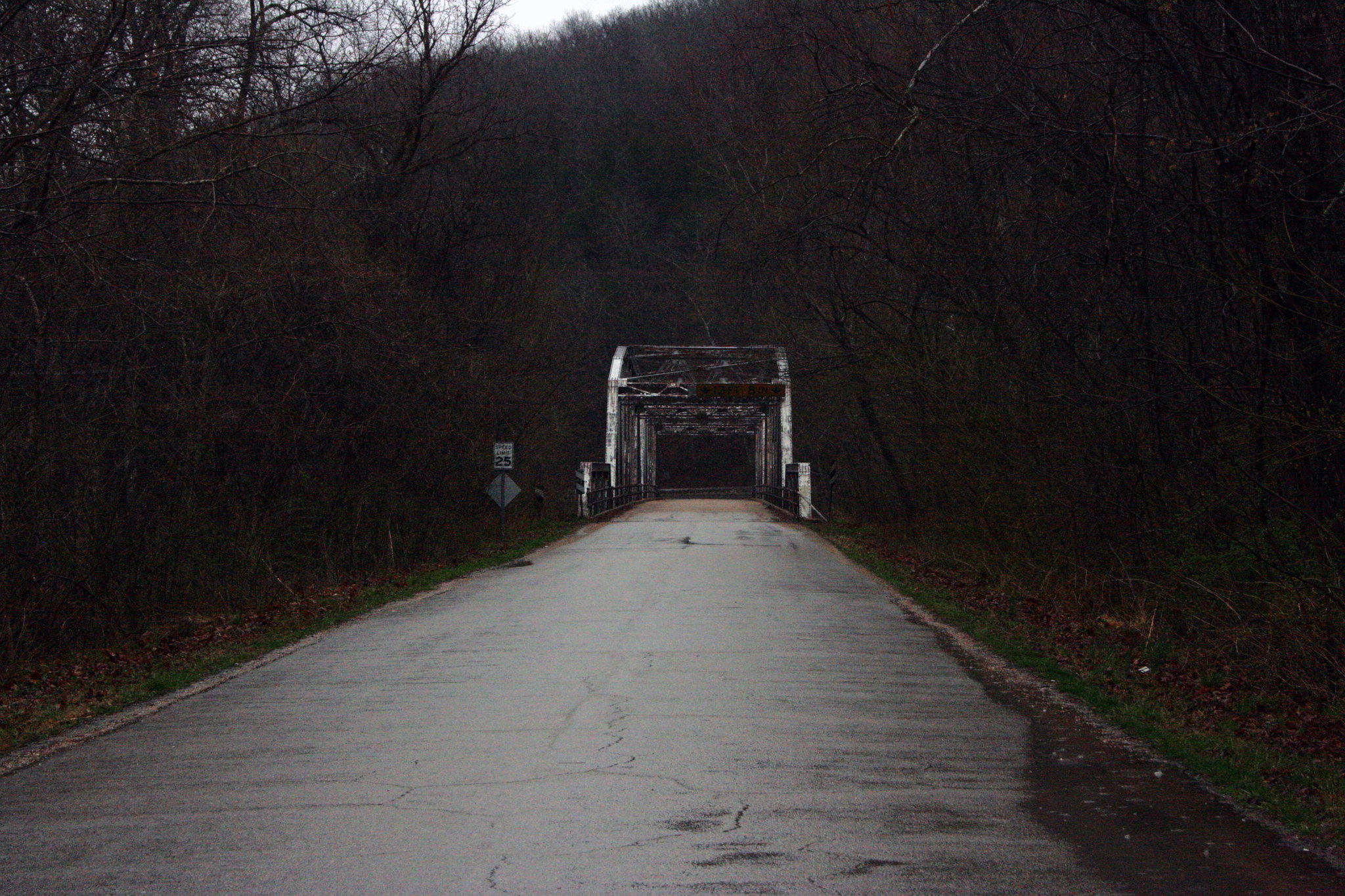
Photo by alan berning via Flickr Creative Commons
When Route 66 came through in the 1920s, the ghost stories moved onto the road and bridge, with nighttime drivers reporting dim yellow headlights that seem to be from a vintage car pulling up behind them on the sharp curve and suddenly disappearing halfway across the span. Others have claimed to see a lantern light bobbing around the easternmost bridge pier on foggy nights, a phantom river worker searching for his drowned crew.
The Real History Behind Devil’s Elbow
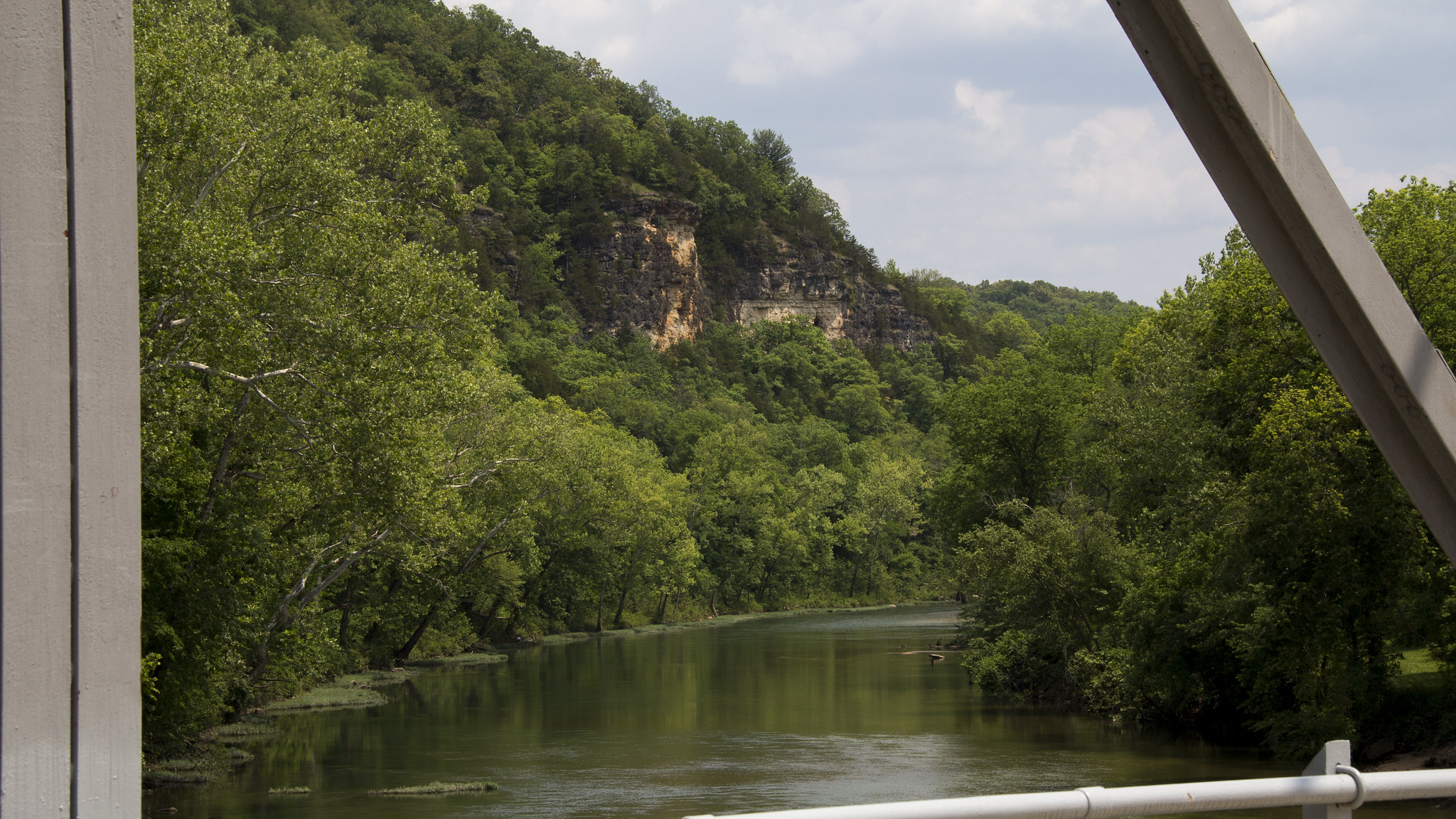
Photo by Daniel Maxwell via Flickr Creative Commons
The Devil’s Elbow moniker doesn’t come from a ghost story; it’s the name timber rafters gave this brutal stretch of river, funneled into a 90-degree turn by a 200-foot-tall dolomite bluff. According to the state historical society, 19th-century Ozark lumbermen would cut railroad ties (by hand) in the winter, then wire them together in quarter-mile rafts and float them down the Big Piney to Jerome. At the Devil’s Elbow, fast water often shoved rafts into the cliff, causing them to jackknife into logjams that crushed boats and threw lumbermen into the fast, freezing water… hence the name.
In 1923, the Koss Construction Company built the four-span steel Parker through-truss bridge over the river, and in 1926 it became part of the original two-lane Route 66. For 15 years, cross-country travelers had to wind down the steep bluffs and squeeze across the narrow span. In the 1940s, though, when Fort Leonard Wood was being built, military convoys had to creep around the blind curves and along the narrow road across the Big Piney Valley, so highway crews blasted the Hooker Cut through the top of the bluff in 1941 and rerouted Route 66 to bypass Devil’s Elbow. The 1926 alignment’s reputation as one of the Mother Road’s most dangerous Missouri stretches stuck, fueling tales of ghost drivers on the curve and phantom headlights on the bridge.
Why Some Missouri Locals Still Won’t Drive Devil’s Elbow at Night
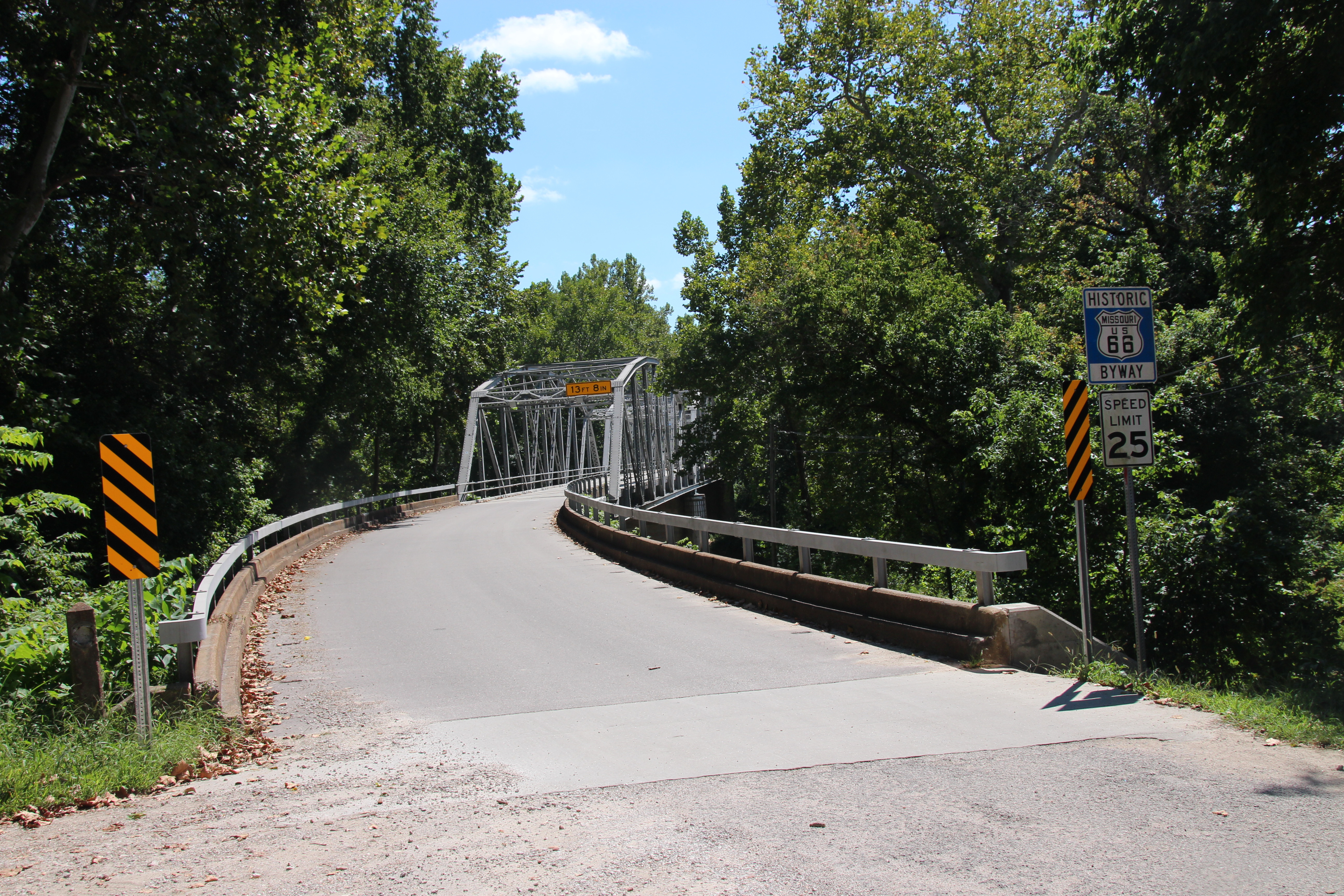
Photo by rpm1604 – stock.adobe.com
Unlike some of Missouri’s other spooky spots, the Devil’s Elbow legend has some real bite to it, in that the road can be pretty dangerous even without the ghosts and haunting tales. Teardrop Road is unlit and shoulderless, hugging tight to ledges and drop-offs around blind curves as it descends into the valley. Although the bridge is technically two lanes, the deck is only 20 feet wide, which can feel like an awfully tight squeeze when you meet an oncoming pickup in the dark. Add rain, winter ice, or the fog that regularly rises from the Big Piney when cool night air settles into the valley, and driving this stretch can feel like a real white-knuckle affair.
What To Know Before Driving Devil’s Elbow
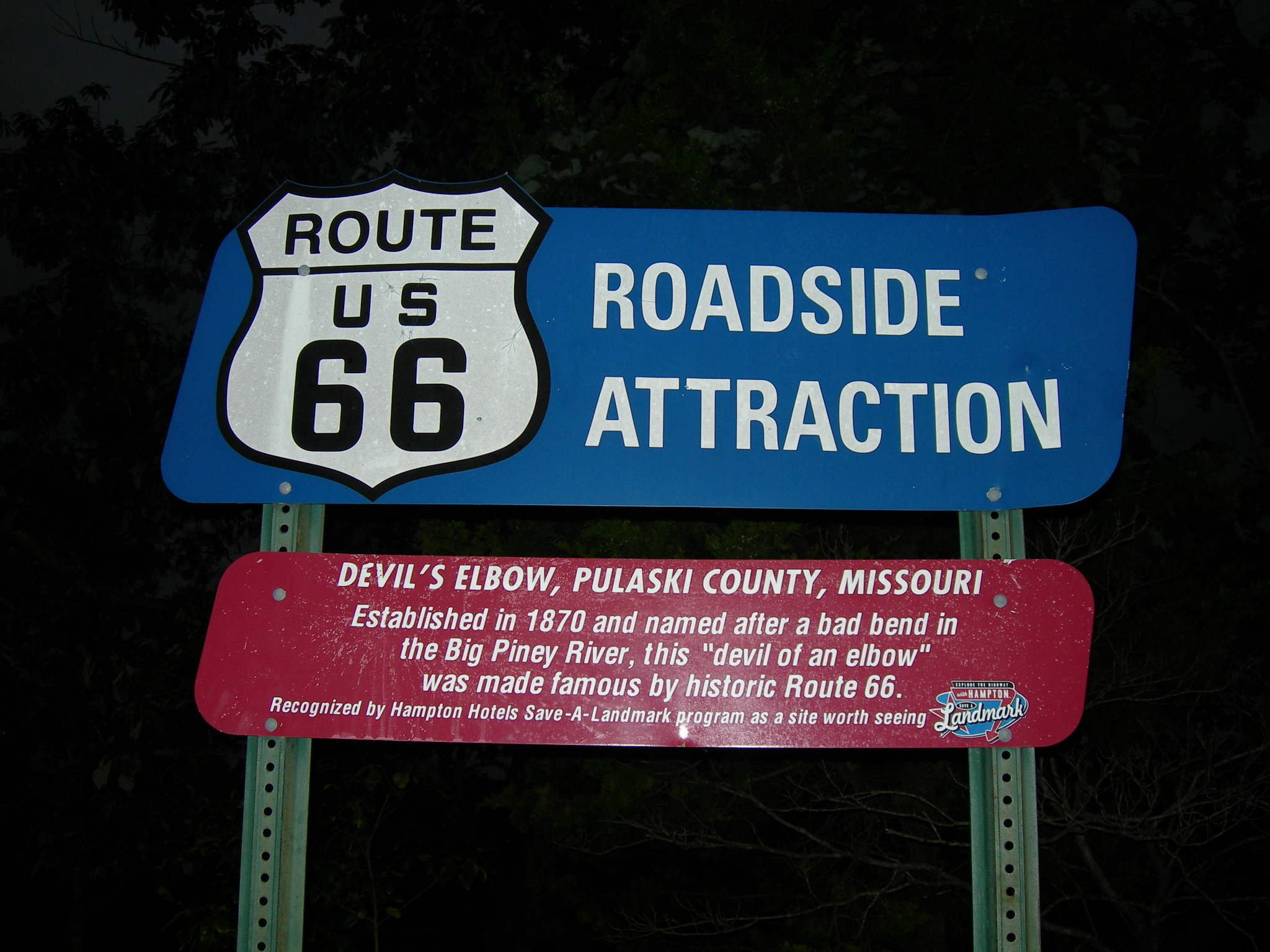
Photo by Jimmy Emerson, DVM via Flickr Creative Commons
As you’ve likely gathered, it’s best to visit this historic stretch of Route 66 during the day, when you can see the restored bridge, enjoy views of the limestone bluffs, and take in the historic structures along the river in the unincorporated community of Devil’s Elbow. Although Teardrop Road is open year-round, check conditions before you go, especially after heavy rains, as flooding occasionally floods the low-lying approaches. Since it is a public road, don’t stop on the bridge or in the middle of the right-of-way, and always respect private property as you explore this fascinating and historic part of the Ozarks.
FAQs About Devil’s ElbowIs Devil’s Elbow really haunted?
There’s no evidence Devil’s Elbow is haunted, but its legend has circulated since the early 1900s, according to Ozark folklore archives. Most stories center on phantom rafters shouting in the mist and vintage headlights vanishing on the 1923 bridge. The road’s documented history includes dangerous logjams on the Big Piney River, which is where locals believe the story started.
Where is Devil’s Elbow in Missouri?
Devil’s Elbow runs about two miles along Teardrop Road through Pulaski County, near Saint Robert, in south-central Missouri. It’s a public, paved road on the original 1926 alignment of Route 66, about 25 minutes west of Rolla, and it connects Highway Z across the Big Piney River to Highway V.
Can you drive Devil’s Elbow at night?
Yes, Devil’s Elbow is a public road open year-round, but it’s unlit, narrow, and winding with blind bluff curves and limited cell service. If you go after dark, stay in your vehicle, keep moving across the 1923 steel truss bridge, and don’t stop on the deck or park on nearby private property.
What is the most haunted road in Missouri?
Devil’s Elbow is often called the most haunted road in the Missouri Ozarks, a title Route 66 folklore guides have given it since the 1990s. Other roads with well-known legends in the state include Zombie Road in Wildwood and Peace Church Road in Joplin.
Source: Crime



0 Comments